
Finding Denison Residents Through Records
Denison has no single public roll of everyone who lives in town. The useful trail depends on the question. For a parcel, begin with the Grayson Central Appraisal District card. For a recorded ownership change, use the Grayson County official-records index. For one identified voter, use the Texas Secretary of State lookup with the permitted inputs. A past household is usually better traced through a dated city directory, newspaper, census, or cemetery record.
Each source has a different job. A GCAD owner field and a deed party identify a property connection, not necessarily a current occupant. Voter information is controlled by state access rules, and old directories preserve a historical snapshot rather than proof of a present address. Keep the name spelling, source, date, address type, and any uncertainty together as the search grows.
- Search GCAD by owner or simplified address, then note the Property ID, Geographic ID, situs, and legal description.
- Use the owner name or legal description in the county deed index and compare recorded dates and parties.
- For an identified person, use the official voter portal only through its supported individual lookup routes.
- Match older names or addresses against a dated Denison directory image, not OCR alone.
- When the record is not online, send a focused request to the office that is the actual custodian.
Denison Offices Behind Resident Records
Denison municipal material starts with the City Clerk, but Grayson County keeps most property, vital, and county-court records in Sherman. The county clerk holds recorded real-property instruments and local vital records. GCAD maintains the appraisal roll. Elections Administration handles county voter procedures, while the Secretary of State hosts the individual voter portal. That division matters when a city request cannot compel a county or state office to produce its separate record.
For a street-by-street parcel route, use the Denison street directory rather than treating a broad office list as an address search. Counter service remains important: the online deed index covers 1915 forward, while earlier work may require the clerk, archives, or microfilm.
Grayson County Clerk Real Property Records
100 W Houston St, Suite 17
Sherman, TX 75090
903-813-4239
Grayson Central Appraisal District
512 N Travis St
Sherman, TX 75090
903-893-9673
Grayson County Elections Administration
115 W Houston St
Sherman, TX 75090
903-893-8683
Search Denison Parcels With GCAD
The Grayson Central Appraisal District search is the practical first stop when an address is known. Its visible tabs are Owner, Address, ID, and Advanced. Start with the street number and street name, leaving off a prefix, suffix, or unit when a full address misses. GCAD’s own instructions warn that a small difference such as “St” versus “Street” can prevent a result. The result card can lead to a parcel detail screen and map selection.
| GCAD field | Use in a Denison search | Format note |
|---|---|---|
| Owner Name | Find an appraisal owner | Last name, then first name |
| Street Number | Narrow an address | Pair with Street Name |
| Street Name | Locate a parcel | Do not add prefix, suffix, or unit |
| Property ID or Geographic ID | Lock the correct parcel | Use after an initial match |
| Tax Year | Read appraisal context | Visible selector, not a title record |
A parcel card can show an owner, mailing address, situs address, legal description, improvements, land, and roll history. The situs is the property’s physical address; the mailing address is where tax mail goes. Neither label alone proves who occupies the property. GCAD also cautions that a recorded deed can take about 90 days to appear in its ownership display.
Denison Deeds as a Resident Trail
A parcel result becomes more useful when it is checked against the Grayson County Official Records Search. The county’s online instructions place online deed coverage at 1915 to the present. Search grantor and grantee names, document type, date, and legal description. For a Denison property, the legal description or subdivision can bridge the appraisal card to a party-centered deed index when an address is not a direct search field.
The captured official-records search screen shows the public index used to move from a parcel clue to an instrument trail.
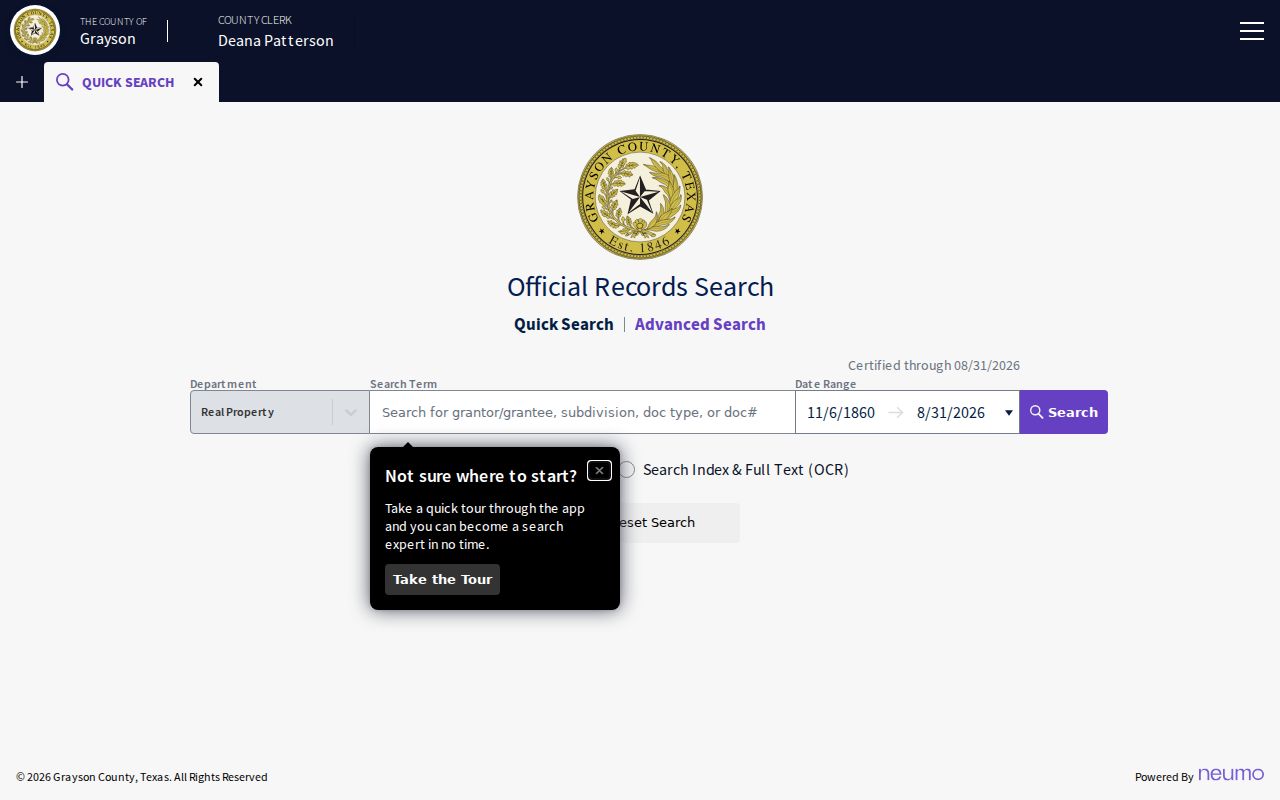
Record the grantor, grantee, document type, recorded date, document number, book or volume and page, plus the legal description. A scan may require the portal cart or a clerk request. Pre-1915 deeds call for the county counter, TSLAC microfilm, or archive research instead of a claim that the web index is complete.
- Parcel
- A defined piece of land in the appraisal roll, identified by a property or geographic ID.
- Grantor
- The party transferring an interest in a recorded instrument.
- Grantee
- The party receiving the recorded interest.
- Index
- A searchable pointer to a record, not always the record image itself.
- Criss-cross directory
- A reverse directory arranged by address rather than by a person’s surname.
Denison Geography Behind Resident Records
The Grayson County public map service puts parcel shapes beside addresses, road centerlines, city limits, ETJ boundaries, voter precincts, school districts, and other layers. Use it to confirm which parcel and jurisdiction a record refers to before comparing names. The city’s map page adds local zoning and project maps, but it warns that original records may differ.
The captured county map service is a useful orientation layer for a Denison residents directory search.
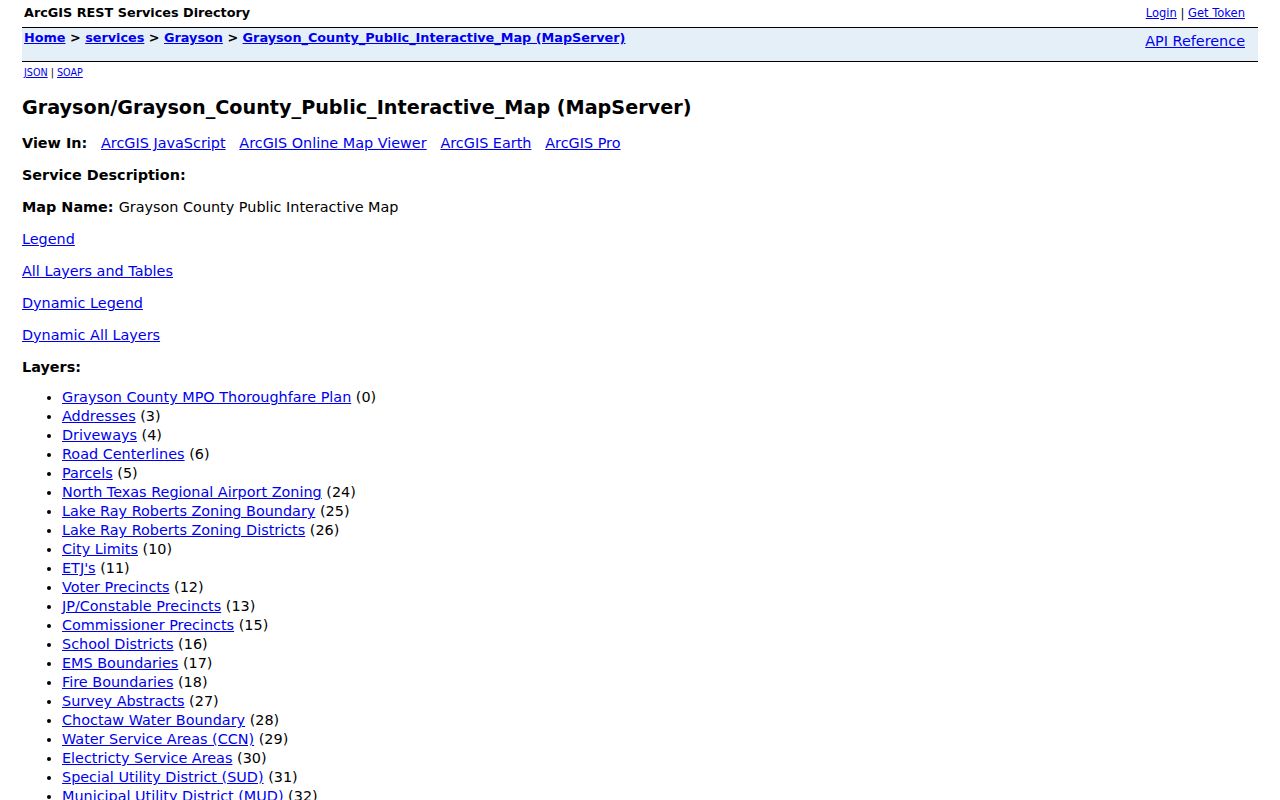
Map adjacency can show nearby parcels and a city-limit or ETJ overlay. It does not create a named household list. Match a map point to the GCAD geographic ID and a recorded legal description before treating it as the same property.
Note: A postal ZIP, a city limit, and an appraisal situs are separate labels that should be recorded separately during Denison research.
Current Resident Sources in Denison
Current sources in Denison are partial, not interchangeable. The appraisal roll supplies owner and parcel information. The official-records index supplies parties to recorded instruments. The individual voter tool is a controlled registration check, not a street roster. Courts, permits, and licenses can answer narrower questions when the record is relevant, but no one of them is a complete directory of the city.
| Denison source | Record connection | Custodian | Access route |
|---|---|---|---|
| GCAD property search | Owner, parcel, situs, mailing data | Grayson CAD | Online owner, address, ID, and advanced tabs |
| Official Records Search | Grantors, grantees, and instruments | Grayson County Clerk | Online index; image or counter follow-up |
| Texas My Voter Portal | Individual registration check | Texas SOS and county elections | Identity-input lookup, with office fallback |
| Municipal permit records | Address and work-record context | Denison City Clerk | Specific request when no public history search exists |
| Professional or business record | Filed role or credential | Issuing Texas agency | Board or SOS source, not residence proof |
For one name, compare more than one independent record and keep conflicting candidates separate. The Denison resident lookup route uses that verification method. For a historical person, a city directory can add a printed address, occupation, or family clue that a property record will not show.
Three Texas Voter Routes for Denison
The official individual voter check has three documented routes: name plus county plus date of birth, date of birth plus VUID, or date of birth plus Texas driver license number. Use only the least intrusive route that is appropriate to the person and question. A failed result is not proof of non-registration because spelling, county, address changes, status, or confidentiality protections can affect the response. Grayson County Elections Administration can explain the current procedure when the portal does not resolve a result.
The Texas My Voter Portal is shown here as the individual channel rather than a public list of everyone on a Denison street.
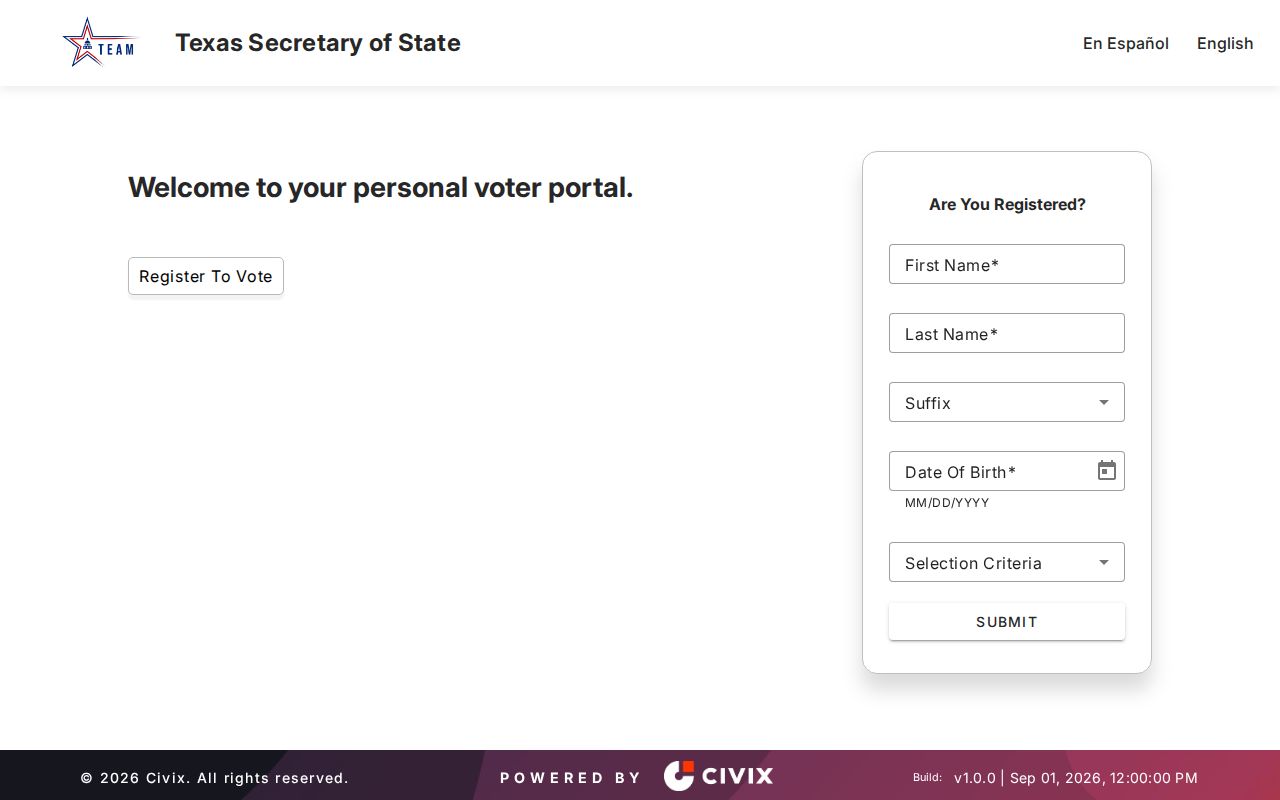
Texas makes some voter information public, but Social Security, driver-license, and DPS ID information is protected. Alternate-address and address-confidentiality programs can also suppress a residential address. A precinct layer shows geography, not a named voter list.
Denison Vital Records by Access Window
Family-event records need the right custodian. The Grayson County Clerk keeps local birth, death, marriage, and military-record counters, while Texas DSHS provides statewide ordering and marriage or divorce index leads. County material includes births and deaths from 1909 forward, with delayed births reaching into the late nineteenth century. A statewide marriage index or divorce index is a lead, not the certified local record.
The Texas online vital-record order service is one official state route for eligible orders.
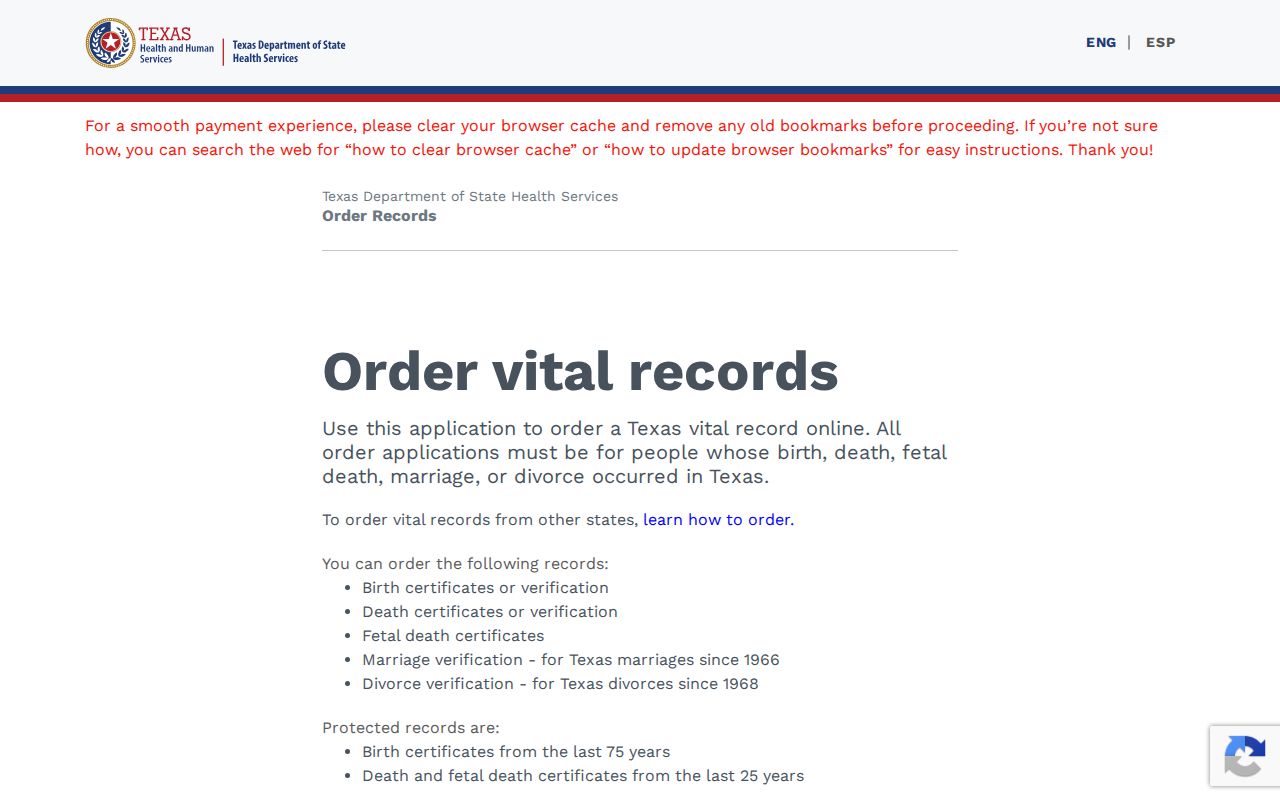
Texas birth records are confidential for 75 years and death records for 25 years, subject to qualified-applicant rules. For a certified marriage license copy, the county clerk is the direct source; for a certified divorce decree, use the District Clerk. Verify current fees and eligibility before sending ID or payment.
Note: A name in a vital index should be paired with dates and another independent source before it is treated as a Denison family match.
Denison Roles Recorded by Texas Agencies
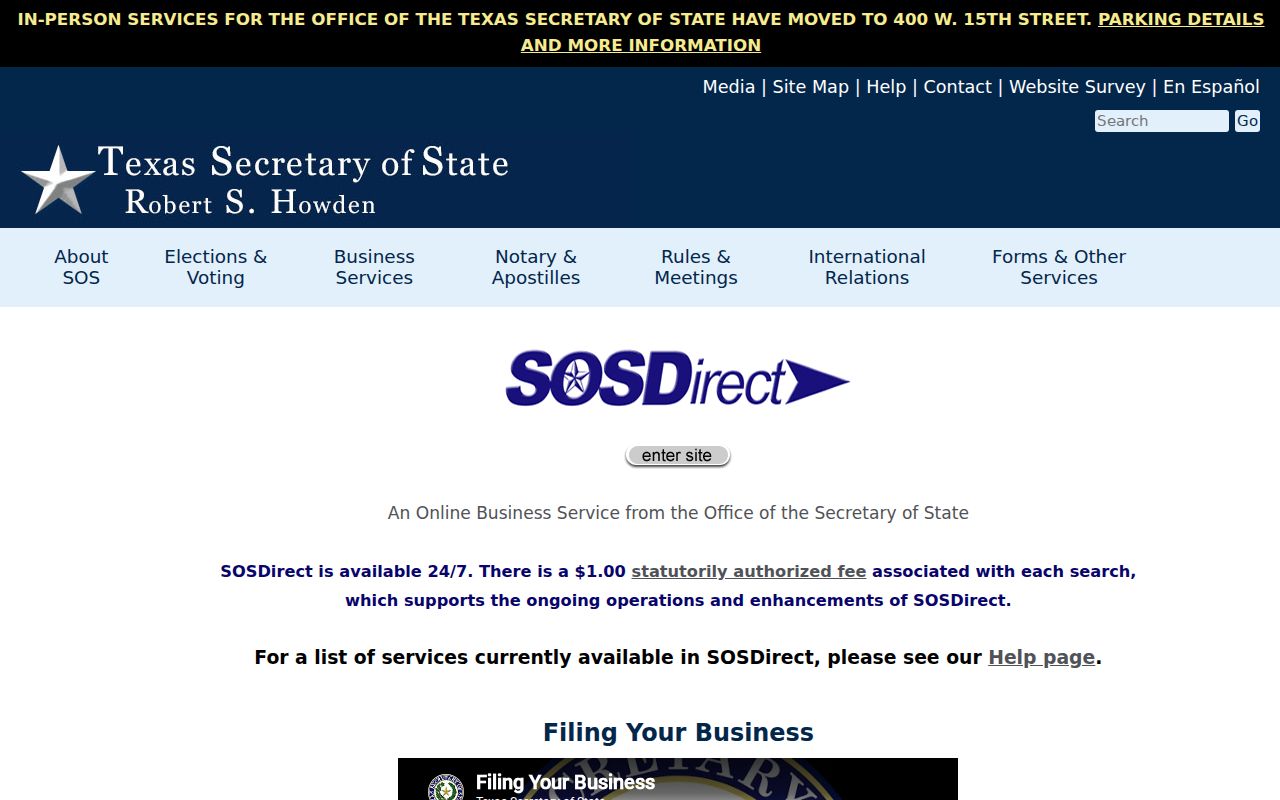
A business filing or professional credential can confirm an official role, but it does not establish a home address. Texas license boards publish status and profile information through their own systems. SOSDirect is the statewide route for entity filings, assumed names, and related records, with an account and a $1 statutory search fee. Compare a filing address, role, and date with other records instead of turning a business connection into a residence claim.
The Texas SOSDirect information page explains the state system used for these filings.
Filed records can be useful for an estate, a former business, or a civic-history question. They need the same identity checks as any other name result. Do not reproduce sensitive account, financial, or identity information that the custodian treats as confidential.
Denison Custody Records Need Current Dates
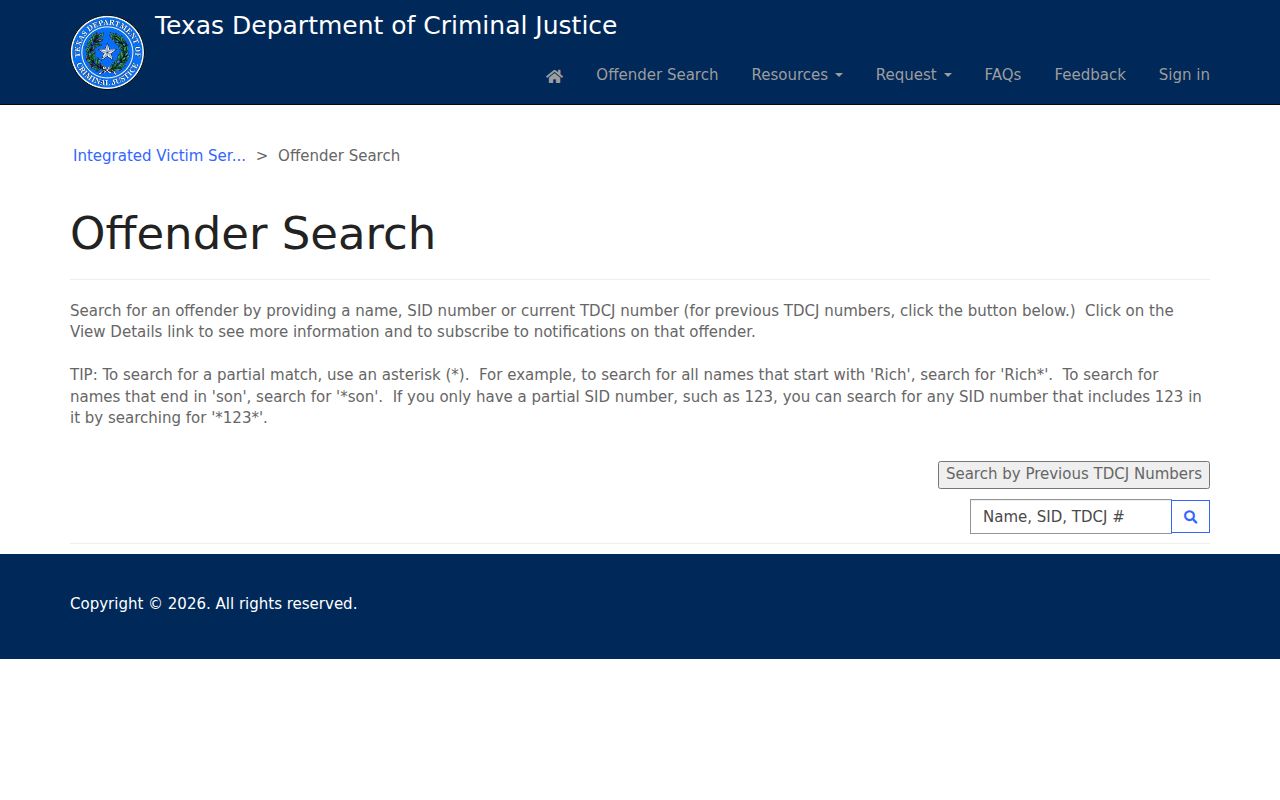
Custody and registry records answer narrow, time-sensitive questions. The Grayson County jail portal requires live browser functions and its field inventory was not captured in the research. The Texas Department of Criminal Justice search accepts a name, SID, or current TDCJ number and has a separate previous-number search. A custody result is not proof of a Denison address, and a name match needs careful confirmation.
The TDCJ offender search provides the state-custody lookup shown below.
Record the access date and any displayed status before relying on a current record. For a court file, use the responsible county or district clerk and accept that sealed, juvenile, victim, and protected records may not be released.
Denison’s Historical Resident Shelf
Denison’s railroad-era history produced unusually rich printed directories. The UNT Portal to Texas History has an 186-page 1887-1888 Morrison & Fourmy volume and a 340-page 1907 R. L. Polk volume, each with residences, businesses, street guides, and community material. The broader UNT City Directories collection can be browsed by year, but surviving Denison runs are uneven. Use the item page for the volume in hand rather than assuming each year exists.
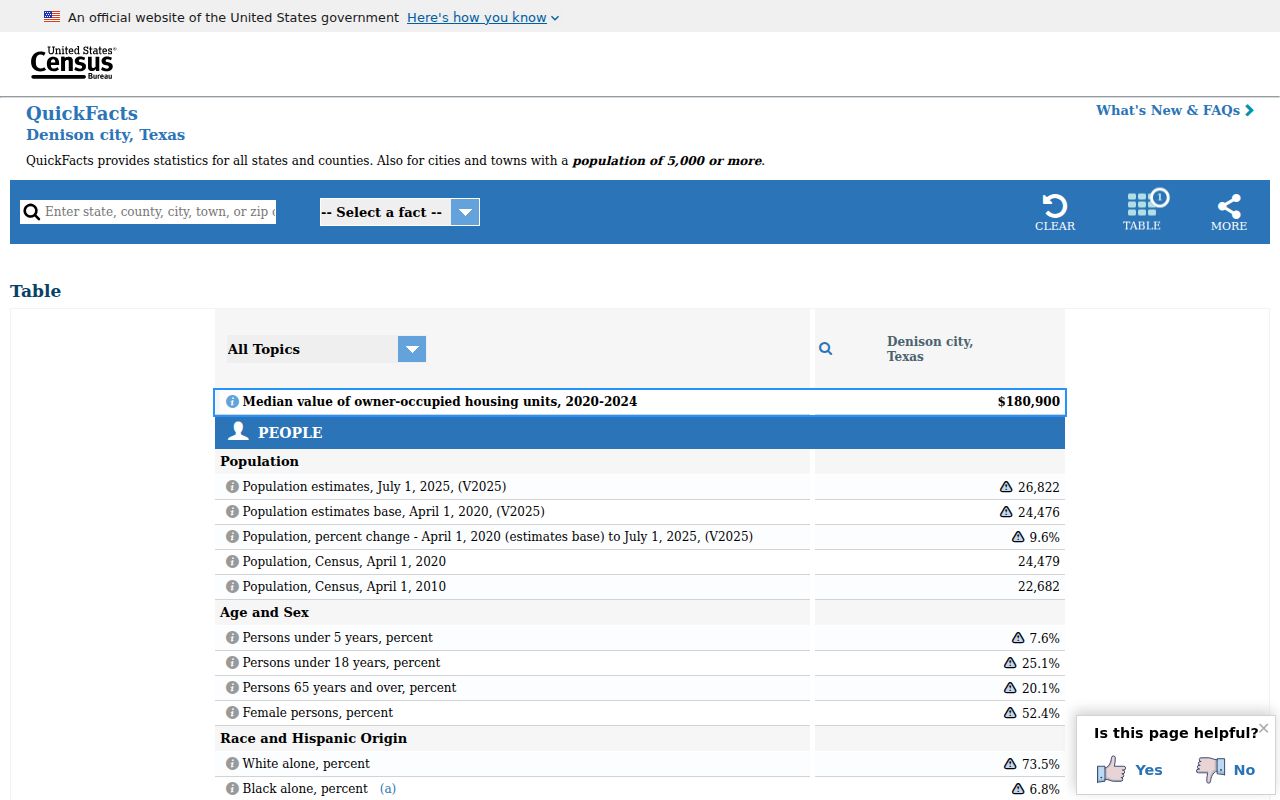
The scanned Denison Census QuickFacts context is a reminder to date each source before comparing it with a historical directory entry.
A historical entry can contain a name, occupation, employer, residence notation, cross street, or a separate business address. In the 1887-1888 book, r. means residence and h. signals home or house. OCR helps find a possible page, but the scanned image controls a transcription. The public census schedule currently extends through 1950, so later directory entries need other dated evidence.
Denison’s Railroad Record Story
Denison was laid out in 1872 for the Missouri-Kansas-Texas Railroad and incorporated in 1873. That setting helps explain why early city directories include railway shops, stock yards, commercial addresses, and street or avenue guides. A directory can make an old street or business clue searchable, while the county’s deed, tax-roll, probate, and court material supplies a separate evidence trail.
Grayson’s archival fallback is substantial. TSLAC lists county deed records from 1846 to 1886, marriage records from 1846 to 1911, tax rolls from 1846 to 1910, and other series on microfilm. Films can be read at TSLAC or through interlibrary loan, but staff do not perform the search or copy work. The 1930 Sherman courthouse fire is not a reason to presume every early series vanished: researchers should ask for the exact series because real-estate and many court or probate records may have survived in vaults while some administrative series did not.
Denison’s cemetery work is another example of why a local record should be checked at its source. A June 2024 advisory-board baseline reported more than 30,000 paper cemetery records digitized, more than 28,000 processed for retention, more than 5,000 deeds checked against electronic data and digitized, and more than 240 missing burial records identified and digitized. The figures are a 2024 progress report, not a current citywide total. Fairview has the public name search, DOI field, and gravesite route found in the research, while the other city cemeteries rely on the office-maintained route. A burial result can support a historical identity question, but it does not establish a current address.
Note: A published address is a dated lead, so preserve the volume, page, year, and image reference before comparing it with a parcel or deed.
Denison Record Limits and Safe Use
Texas Public Information Act requests can reach public records that are not online, but a request should name the governmental body, describe the record, and narrow the dates or subject. Denison’s open-records form is for city-held material, not a substitute for a county clerk, appraisal district, or state request. Agencies may charge authorized costs, and a body that cannot promptly produce information should provide an expected date when the rules require it.
When an online result is absent, Denison’s local form allows a requester to choose copies, inspection, email, or mail delivery. It requires a specific existing record request and has separate date, time, location, and subject requirements for body-worn-camera material. A request cannot require an office to create a new list, timeline, or summary.
| Official-record route | Commercial people-finder category |
|---|---|
| Names the actual custodian and record date | May combine records with different update dates and matching rules |
| Lets a reader inspect the underlying index, image, or request procedure | May not identify the original document or its access limits |
| Supports a correction question to the office holding the record | Does not replace verification with the public custodian |
Protected voter addresses, confidential vital records, sealed court material, private identifiers, and safety-program records must stay protected. Use official information for personal, lawful research such as family history, estate work, reconnecting with relatives, or checking a property record. Do not use record information to stalk, harass, intimidate, or harm anyone.